A Gentle Soundscape: Five Small Experiments to Shape Your Home’s Quiet
We notice light and texture when we slow down; sound is just as essential to how a space feels. A considered soundscape doesn’t require expensive equipment or silence at all times—it’s about small, deliberate choices that shift what we hear and how we respond. Below are five short experiments you can try in order. Each one teaches a principle and adds a simple practical tool to a growing habit of attentive listening at home.
Experiment 1: The Listening Inventory (10–15 minutes)
Principle: You cannot shape what you do not notice. Start by mapping the current sound life of a room.
How to do it:
- Sit in a chosen room with no deliberate sound sources for 10 minutes.
- List, either mentally or on paper, every distinct sound you hear and how it changes: footsteps, radiator clicks, street hum, birds, electrical hum, the fridge, etc.
- Note patterns (steady vs. intermittent), direction (from the window, above, below), and times when sounds feel intrusive.
Small example: In my kitchen the steady refrigerator hum sits low and steady; brief spikes come from the toaster and the street’s passing trucks. Recognizing these makes their rhythm less surprising.
Experiment 2: Source Control Mini-Tests (15–20 minutes)
Principle: Reducing or relocating a single source can change perceived calm more than trying to silence everything.
How to do it:
- Pick one bothersome or dominant source from your inventory.
- Try one simple change: move the source (if possible), add a soft barrier (a folded blanket or rug under a machine), or change its operating time.
- Observe for 15 minutes and note the difference.
Small example: Placing a thin cork mat under a washing machine reduced a vibration that had been audible in the living room. It didn’t remove every sound but it removed the bothersome thrum.
Experiment 3: The Intentional Layer (10 minutes)
Principle: Introducing a gentle, pleasant layer can make intermittent noises feel less jarring by providing context and continuity.
How to do it:
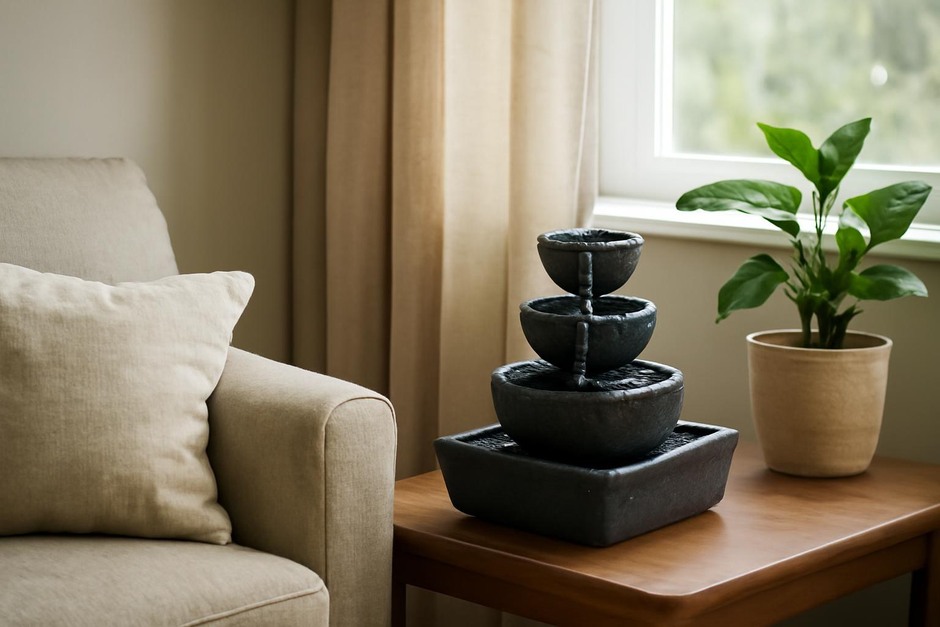
- Choose one simple sound source: a small tabletop fountain, a low-volume playlist of instrumental music, wind through a set of chimes, or a recording of distant rain.
- Play it at a low level for 10 minutes. Aim for it to be present without demanding attention.
- Note how transient noises interact with the layer—do they stand out less or feel more integrated?
Small example: A short rain loop at low volume made neighbors’ footsteps blend into a softer background; the ear tracked changes rather than being startled by them.
Experiment 4: A Ten-Minute Restorative Soundscape (10 minutes)
Principle: Intentional transitions help the mind accept a new baseline. Practice a brief, repeatable routine to move between activities.
How to do it:
- Plan a short ritual: start a kettle, light a candle (if you use candles), and play a chosen 10-minute ambient track or sound (e.g., low piano, soft rain, or a field recording).
- Sit or move slowly, paying attention to the shift in sounds as the ritual proceeds.
- End by turning off the sound source and spending one minute in silence, noting the new baseline.
Small example: A morning 10-minute sequence—boiling water, a soft instrumental track, and opening a window—regularly marks the transition from sleep to focused domestic activity in a gentle, repeatable way.
Experiment 5: Habit Setup and Seasonal Tuning (ongoing)
Principle: Soundscapes evolve. Keep a lightweight routine for review and minor adjustments.
How to do it:
- Once a week, repeat the Listening Inventory for 5 minutes and note any new or seasonal changes (birds, garden tools, heating cycles).
- Make one small tweak: shift a speaker, re-time a noisy task, change a playlist, or swap the fountain for a different water pattern.
- Keep a small box of tactile sound modifiers: a fabric mat, a wooden bowl, a small chime, and a portable speaker or phone with saved ambient tracks.
Small example: In summer the window becomes a primary sound source. A sheer curtain and a wind chime with a soft tone were enough to turn unpredictable outdoor notes into a pleasant texture.
Notes on Materials and Aesthetics
Choose items that feel like part of your home rather than temporary props: a ceramic fountain, a wooden chime, or a playlist titled with a room name. The visual presence of these objects reinforces the habit of listening.
Where to Go Next
After these experiments you will have cultivated a habit of noticing and a small toolkit for shaping your home’s sound. From here you can explore subtler adjustments—soft furnishings for acoustics, room-specific playlists, or simple insulation changes—but the most effective improvements are often the easiest to test and sustain: move a rug, change a routine, add a gentle layer.
These experiments are meant to be repeatable and incremental. Each one teaches an approachable principle and leaves you with a concrete change you can keep or discard. The goal is not perfect silence but a clearer, more pleasurable relationship with the sounds that share your home.